
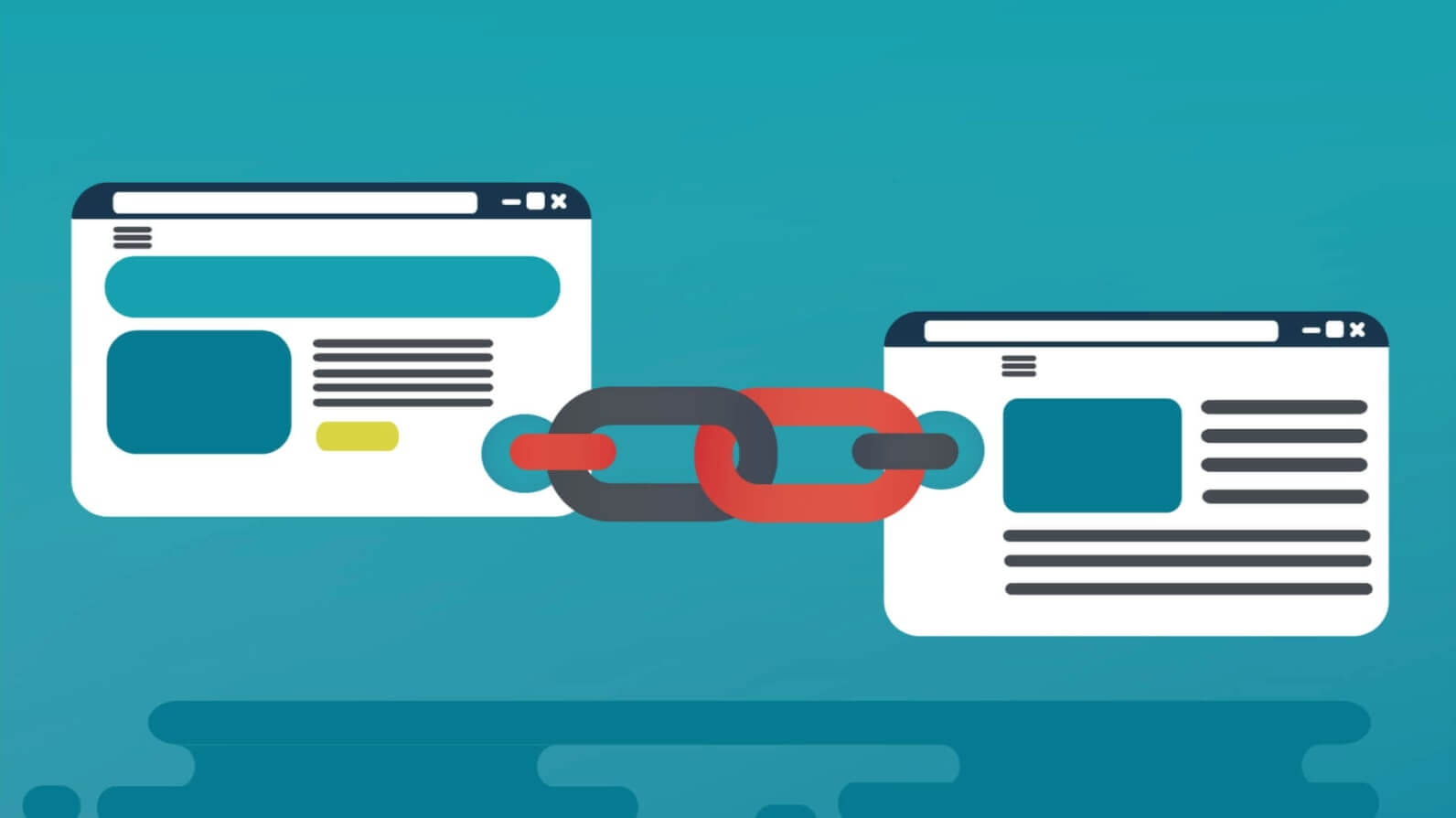
A business can publish dozens of high-quality blogs and still fail to rank because valuable pages remain hidden from search engines. The problem often isn’t poor content or weak keyword targeting, it’s a lack of strategic Internal Linking. When blogs, service pages, and landing pages remain disconnected, search engines have a harder time understanding their relationships, and visitors miss opportunities to discover additional information that could keep them engaged.
An effective Internal Linking strategy connects relevant pages with purpose. Instead of treating every page as a separate destination, it creates a logical content journey that helps users find answers faster while allowing search engines to crawl and interpret your website more efficiently. This simple optimization can improve page authority, strengthen topical relevance, and increase the visibility of high-value pages without requiring new content.
If your goal is sustainable organic growth, combining a smart linking strategy with professional on-page SEO services can uncover opportunities that automated SEO tools frequently overlook. Experienced specialists evaluate website architecture, user behaviour, and content relationships to build an Internal Linking framework that supports both rankings and user experience.
As Google’s algorithms continue evolving, website structure has become just as important as content quality. Search engines increasingly evaluate how pages connect, how information flows across a website, and whether users can navigate naturally between related topics. Businesses with a well-organised internal link structure often gain stronger topical authority because every relevant page reinforces another instead of competing for attention.
Rather than constantly publishing new articles, many successful websites improve existing content through strategic Internal Linking. Updating older pages, connecting supporting resources, and directing authority towards priority pages can generate meaningful SEO improvements while maximising the value of content you have already invested in.
Why Internal Linking Has Become a Core SEO Strategy
Many website owners associate SEO success with backlinks and fresh content, but Internal Linking plays an equally important role in helping search engines understand your website. Every internal link creates a relationship between two relevant pages, making it easier for search engines to evaluate content depth, discover important resources, and understand which pages deserve greater visibility.
Unlike external backlinks that depend on other websites, Internal Linking is completely within your control. That makes it one of the fastest and most cost-effective optimisation techniques for strengthening website structure, improving navigation, and supporting long-term organic growth.
How Search Engines Understand Internal Links
Search engines do not view a website as a collection of independent pages. Instead, they analyse the connections between pages to understand the overall purpose, hierarchy, and importance of different content pieces. A strong Internal Linking structure creates clear pathways that help search engines identify your most valuable pages and understand how different topics relate to each other.
For example, if a website publishes multiple articles about SEO, linking them together with relevant anchor text helps search engines recognise that the website has strong knowledge around that subject. Over time, these connections can support better rankings because search engines gain more confidence in the website’s topical relevance.
Poor internal linking often creates hidden problems. Important pages may receive fewer visits from search engine crawlers, older content may lose visibility, and valuable resources may remain buried within the website structure. Even high-quality content can struggle to perform if search engines cannot easily discover and connect it with related information.
A well-planned Internal Linking approach ensures that search engines can efficiently move through your website while users experience a smoother browsing journey. The goal is not to add links randomly but to create meaningful connections that support both search visibility and user satisfaction.
Finding Internal Linking Opportunities Within Existing Content
One of the easiest ways to improve your SEO performance is by analysing content you already have. Many websites have hundreds of existing pages that contain natural opportunities for additional internal links. Instead of creating new content immediately, reviewing current pages can reveal quick improvements that strengthen your overall website structure.
Start by identifying pages that already receive organic traffic or have strong authority. These pages can act as valuable sources for distributing authority to other important pages that need more visibility. For example, a popular blog post can link to a related service page, helping users discover more information while supporting the ranking potential of the target page.
Another effective method is searching your website for specific keywords that appear naturally in existing content. If a page mentions a topic that has a dedicated article or service page, adding a contextual internal link creates a stronger connection between those resources.
The following methods can help you discover valuable Internal Linking opportunities:
| Method | How It Helps Identify Opportunities |
| Content Audit | Reviews existing pages to find missing connections between related topics. |
| Google Search Operators | Finds pages where specific keywords appear and can be linked naturally. |
| SEO Tools Analysis | Identifies orphan pages, link gaps, and internal authority distribution issues. |
| Competitor Research | Shows how successful websites structure their internal links. |
| Analytics Review | Finds high-performing pages that can support other important content. |
Using Google Search Operators for Internal Link Discovery
Google search operators provide a simple way to locate internal linking opportunities without relying only on SEO software. By using specific search commands, website owners can quickly find pages where relevant keywords are already mentioned.
For example, searching:
site:yourwebsite.com “target keyword”
allows you to see existing pages where that phrase appears. These pages may provide opportunities to add contextual links pointing towards your priority page.
This technique works especially well when you publish new content and want to connect it with older resources. Instead of manually checking every article, search operators help identify relevant pages where links can be added naturally.
However, the quality of the connection matters more than the number of links created. A page should only link to another resource when it genuinely improves the reader’s experience. Excessive or unrelated linking can create confusion for users and reduce the effectiveness of your SEO strategy.
Identifying Orphan Pages That Need Internal Links
Orphan pages are website pages that have little or no internal links pointing towards them. These pages may exist on your website but remain difficult for users and search engines to discover. Identifying and fixing orphan pages is one of the most valuable steps in improving your website structure.
Common examples of orphan pages include:
- Older blog posts that are no longer linked from newer content.
- Service pages created during website updates but forgotten later.
- Landing pages designed for campaigns that lost visibility over time.
- Valuable resources hidden deep within website navigation.
Adding relevant internal links to these pages can improve their discoverability and help distribute authority more effectively. When a page receives links from related and trusted content, search engines gain stronger signals about its importance.
A regular content audit helps prevent orphan pages from developing and ensures that every valuable page has a clear place within your website ecosystem.
Finding Pages With High Authority for Link Distribution
Not every page on your website has the same SEO value. Some pages naturally attract more backlinks, organic traffic, and engagement. These high-performing pages can become powerful sources for improving the visibility of other important content through strategic Internal Linking.
For example, a blog article that consistently attracts visitors from search engines may have accumulated authority over time. Adding links from this page to newer articles, product pages, or important service pages can help transfer value throughout your website.
The key is selecting relevant destinations. A high-authority page about technical SEO should not randomly link to unrelated topics like website design or company news. The strongest results come from connecting pages that share similar themes and provide additional value to readers.
Using tools that analyse page performance, traffic data, and link distribution can make this process easier. Platforms such as Google Search Console can also provide insights into which pages are receiving impressions and where additional optimisation opportunities may exist. Website owners can also refer to Google Search Central’s official documentation for guidance on improving website visibility, crawling, indexing, and search performance.
Using SEO Tools to Discover Internal Linking Opportunities
Finding Internal Linking opportunities manually can be effective, especially for smaller websites, but SEO tools can make the process faster and more detailed. These tools analyse website structure, page performance, and link relationships to identify areas where improvements can create stronger SEO results.
SEO platforms can reveal pages that have strong authority but are not supporting other important content. They can also identify pages that receive little internal attention, broken internal links, and content gaps where additional connections could improve website structure.
For example, a blog post that receives consistent organic traffic may have valuable authority that can support another related page. By adding a contextual internal link from that popular article to a service page or detailed resource, businesses can guide users towards important information while improving the visibility potential of those target pages.
Google Search Console is another useful resource for analysing website performance. It provides insights into which pages receive impressions, clicks, and search visibility. Reviewing this data can help identify pages that are performing well and could become valuable sources for supporting other relevant content.
The most effective Internal Linking strategy does not focus on creating a large number of links. Instead, it focuses on creating the right connections between pages that genuinely support user needs and improve the overall structure of the website.
Final Thoughts: Building a Smarter Internal Linking
Internal Linking is one of the most accessible SEO strategies because it allows businesses to improve website performance using content they already own. By creating meaningful connections between pages, improving navigation, and guiding authority towards important resources, websites can strengthen their overall search visibility.
The most successful Internal Linking strategies are built around relevance and user experience rather than simply adding more links. Every connection should have a purpose, whether it helps visitors discover additional information, supports an important page, or improves search engine understanding.
Conclusion
By regularly analysing existing content, improving anchor text, fixing disconnected pages, and developing structured content relationships, businesses can create a website that is easier to navigate and more valuable to both users and search engines.
A well-planned Internal Linking strategy helps search engines understand your website while making it easier for users to discover valuable information. By connecting relevant pages, improving website structure, and supporting important content, businesses can strengthen organic visibility and create a better browsing experience.
When combined with high-quality content and professional SEO practices, Internal Linking can uncover hidden opportunities within your website and help turn existing pages into stronger ranking assets. To identify these opportunities and improve your website performance, Contact RankGuru’s SEO experts today.
Frequently Asked Questions About Internal Linking
How does Internal Linking improve SEO performance?
Internal Linking improves SEO by helping search engines crawl websites more efficiently, distributing authority between pages, strengthening topical relevance, and improving user navigation. A well-planned linking structure can support better visibility for important pages.
How can I find Internal Linking opportunities on my website?
You can find opportunities by reviewing existing content, analysing high-performing pages, checking for orphan pages, using SEO tools, and searching your website for relevant keywords that appear in older articles or pages.
Should every page on a website have internal links?
Most valuable pages should have internal links pointing to and from relevant content. However, links should always be added naturally based on usefulness rather than forcing connections between unrelated pages.