
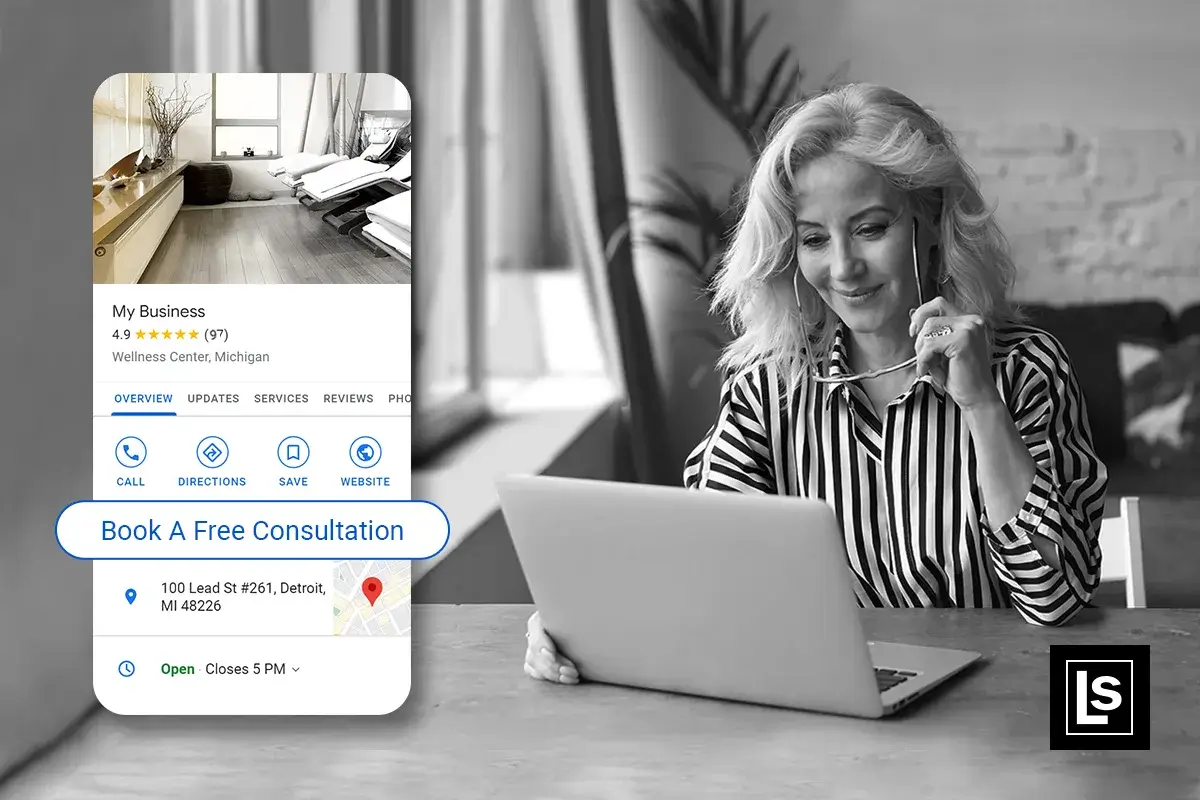
A Google Business Profile can look simple from the outside. A name, a phone number, a few photos, some reviews, business hours, and a map pin. Easy, right? Not quite. Under that neat little profile sits one of the most powerful local search assets your business owns.
I like to think of a GBP SEO Audit as a style check before your brand walks into the room. Your profile might be wearing a nice jacket, but are the shoes polished? Is the address correct? Do the photos look fresh? Do the reviews tell a real story? Local customers judge fast, and Google does too.
If you want a smarter way to track and improve local visibility, using a Trusted local SEO platform for agencies can help you monitor rankings, audit profiles, spot gaps, and manage improvements across multiple locations without drowning in spreadsheets.
What Is a GBP SEO Audit?
A GBP SEO Audit is a detailed review of your Google Business Profile to see what works, what holds you back, and what needs improvement. It checks your profile information, categories, services, photos, reviews, posts, local keywords, business hours, website link, and overall local search performance.
In simple words, it shows whether your profile looks trustworthy to both Google and real people.
A proper audit helps you answer questions like:
- Does my profile appear for the right local searches?
- Did I choose the best primary category?
- Do my photos look current and professional?
- Do my reviews support trust?
- Does my profile match my website and local citations?
- Do customers take action after viewing my profile?
- Does my profile beat nearby competitors?
A business can have a Google Business Profile and still miss a lot of easy wins. That’s why auditing matters.
Why GBP SEO Audit Matters for Local Search
Local search has become brutally competitive. Someone searches “dentist near me,” “best plumber in Brooklyn,” “coffee shop open now,” or “SEO agency near me,” and Google shows a handful of local results. If your profile looks weak, incomplete, or outdated, you may never get the click.
A GBP SEO Audit helps you improve relevance, distance signals, prominence, and trust. You can’t control every part of local ranking, but you can control your profile quality, business information, reviews, content, and website connection.
Here’s the real-world version: your Google Business Profile is often your first impression. Many customers may call, ask for directions, read reviews, check photos, or visit your website before they ever see your homepage. So if your profile feels stale, messy, or half-built, you lose confidence before the conversation starts.
1. Start With Business Information Accuracy
Before you chase advanced tricks, check the basics. Local SEO often rewards clean, complete, consistent information. It’s not glamorous, but neither is flossing. Still important.
Your audit should check:
- Business name
- Address
- Phone number
- Website URL
- Business hours
- Holiday hours
- Service areas
- Opening date
- Appointment links
- Menu or service links
- Business description
Google’s own guidance on improving local ranking with a Business Profile highlights the importance of complete, accurate, and up-to-date business information. So, if your profile still shows old hours, missing services, or a dead phone number, fix that first.
2. Review Your Business Name Carefully
Your business name should match your real-world branding. Don’t stuff keywords into it unless they form part of your actual business name.
Bad example:
“Smith Dental Best Dentist Emergency Dental Implants Chicago”
Better example:
“Smith Dental Care”
Keyword-stuffed names may look tempting, especially when competitors do it. But risky shortcuts can lead to edits, suspensions, or trust problems. A clean name builds confidence and keeps your profile safer.
During your GBP SEO Audit, compare your business name across:
| Place to Check | What to Look For |
| Google Business Profile | Official business name |
| Website header/footer | Same name format |
| Social media profiles | Consistency |
| Local directories | No outdated versions |
| Legal documents | Real-world match |
| Signage/photos | Visible brand proof |
3. Audit Your Primary and Secondary Categories
Your primary category plays a major role in how Google understands your business. Choose the category that best describes your main service, not the category you wish sounded cooler.
A law firm should not choose “consultant” if “law firm” fits better. A dental clinic should not choose “health consultant” when “dentist” matches search intent. You get the idea.
Use secondary categories to cover related services, but don’t overdo it. Add only categories that genuinely fit your business.
For example:
| Business Type | Primary Category | Possible Secondary Categories |
| Dental clinic | Dentist | Cosmetic dentist, Emergency dental service |
| Plumbing company | Plumber | Water heater repair service, Drainage service |
| Tree service | Arborist and tree surgeon | Tree service, Gardener |
| Marketing agency | Marketing agency | Internet marketing service, SEO agency |
| Restaurant | Restaurant | Takeout restaurant, Delivery restaurant |
A strong category setup helps your profile appear for the right searches. A messy setup confuses Google and customers. Nobody wins.
4. Check Your Business Description
Your business description should explain who you help, what you offer, where you work, and why people should choose you. Keep it clear, natural, and useful.
Don’t write like a robot that swallows a keyword list.
Weak description:
“We provide the best services in the city with high-quality solutions and customer satisfaction.”
Better description:
“We help local homeowners and businesses with fast plumbing repairs, hot water system replacement, blocked drain services, and emergency plumbing across the Dallas area.”
During your GBP SEO Audit, check whether your description includes:
- Main services
- Location or service area
- Clear value proposition
- Trust signals
- Natural local keywords
- Simple language
- No exaggerated claims
- No promotional clutter
Your description doesn’t need to win a poetry prize. It needs to make customers think, “Yes, this is the business I need.”
5. Audit Services, Products, and Menus
Many businesses forget to fill out service and product sections. That’s like opening a restaurant and not showing the menu. Bold choice. Bad idea.
Your services should match what people search for. Use simple service names and clear descriptions.
Examples:
- Emergency plumbing
- Hot water system repair
- Dental implants
- Teeth whitening
- Tree removal
- Stump grinding
- Local SEO services
- Social media management
- Wedding photography
If you sell products, add product names, descriptions, prices when suitable, and high-quality images. If you run a restaurant, make sure your menu link works and your items look current.
6. Review Photos and Videos
Photos can quietly make or break your profile. People want proof. They want to see your storefront, team, work quality, products, rooms, food, vehicles, or results.
A strong photo section can include:
- Exterior photos
- Interior photos
- Team photos
- Product photos
- Service photos
- Before-and-after images
- Logo and cover image
- Short videos
- Behind-the-scenes shots
Avoid blurry, dark, outdated, or awkward photos. Your profile should not look like someone uploaded evidence from a security camera.
Here’s a simple photo audit table:
| Photo Type | Why It Matters | Audit Question |
| Exterior | Helps people find you | Can customers recognize your location? |
| Interior | Builds comfort and trust | Does the space look clean and current? |
| Team | Adds personality | Do people see real humans? |
| Work examples | Proves quality | Do images show your best results? |
| Product photos | Supports buying decisions | Are products clear and appealing? |
| Logo | Strengthens branding | Does it look sharp and professional? |
7. Analyze Reviews and Reputation
Reviews shape trust. A profile with weak, outdated, or unanswered reviews can lose customers even if the business does great work.
During your GBP SEO Audit, look at:
- Average rating
- Total review count
- Review freshness
- Keywords inside reviews
- Review response rate
- Tone of owner replies
- Negative review patterns
- Competitor review gap
You should respond to reviews in a human way. Thank happy customers. Address concerns politely. Don’t copy and paste the same reply 47 times, unless your goal is to sound like a customer service vending machine.
A good review response can mention the service naturally, but don’t overstuff keywords. Keep it real.
Example:
“Thanks, Sarah. I’m glad our team could help with your emergency drain repair. We appreciate you choosing us.”
8. Check GBP Posts and Updates
Google Business Profile posts let you share offers, updates, events, news, and helpful information. Many businesses ignore this feature, which creates an easy opportunity for you.
You can post:
- Offers
- New services
- Seasonal reminders
- Events
- Product highlights
- Blog links
- Case studies
- Before-and-after examples
- FAQs
- Safety tips
For example, a dentist can post about teeth whitening before wedding season. A plumber can post hot water maintenance tips before winter. A restaurant can post weekend specials. A local SEO agency can share quick ranking tips.
Posts won’t magically carry your whole local SEO strategy, but they keep your profile active and helpful.
9. Audit Questions and Answers
The Q&A section can influence how customers understand your business. If you don’t manage it, random users may answer questions for you. That’s risky.
Check whether customers ask common questions like:
- Do you offer emergency services?
- Do you serve my area?
- Do you provide free quotes?
- Is parking available?
- Do you accept walk-ins?
- What payment options do you accept?
- Do you work on weekends?
- Are consultations available online?
You can add and answer common questions yourself from your own account. Keep answers short, helpful, and accurate.
10. Review Website Connection
Your Google Business Profile does not live alone. It should connect cleanly with your website.
Check these items:
| Website Element | What to Check |
| Website URL | Does the profile link to the best page? |
| NAP details | Does name, address, and phone match? |
| Service pages | Do they support GBP services? |
| Location pages | Do they match target areas? |
| Schema markup | Does local business schema support clarity? |
| Mobile speed | Does the page load fast? |
| Tracking | Can you measure calls and clicks? |
| Conversion flow | Can visitors contact you easily? |
If you serve multiple locations, create strong location pages. Don’t send every profile to the same generic homepage if a better local landing page exists.
11. Check Local Rankings and Search Terms
A GBP SEO Audit should look beyond the profile itself. You also need to know where it ranks.
Track rankings for keywords like:
- “service near me”
- “service + city”
- “best service + city”
- “emergency service + city”
- “open now service”
- “service provider near me”
- “specific service + suburb”
Ranking can change by search location. A business may rank well near its address but drop a few miles away. That’s normal. Local SEO has a map-based personality.
Use local rank tracking to see patterns. If you rank well for brand terms but poorly for service keywords, your profile and website may need stronger service relevance.
12. Compare Competitors
Competitor analysis gives your audit context. You don’t need to copy competitors, but you should know why they may outrank you.
Compare:
- Primary category
- Review count
- Review rating
- Review freshness
- Photo volume
- Services listed
- Business description
- Website quality
- Local landing pages
- Backlinks and citations
- Posting activity
- Proximity to search location
Here’s a simple competitor audit format:
| Factor | Your Profile | Competitor A | Competitor B | Action Needed |
| Reviews | 82 | 240 | 156 | Increase review requests |
| Photos | 15 | 90 | 45 | Add fresh images |
| Services | 6 | 18 | 12 | Expand service list |
| Posts | Rare | Weekly | Monthly | Start posting |
| Website page | Homepage | Local service page | Service page | Improve landing page |
This table turns vague feelings into clear action. Much better than staring at the map pack and muttering, “Why them?”
13. Audit Citations and NAP Consistency
Citations are mentions of your business name, address, and phone number across directories, websites, maps, social platforms, and local listings.
Inconsistent citations can confuse both users and search engines.
Check platforms like:
- Apple Maps
- Bing Places
- Yelp
- Yellow Pages
- Chamber directories
- Industry directories
- Local business directories
Make sure your business name, address, phone number, and website stay consistent. Small differences won’t always destroy rankings, but messy data creates avoidable friction.
14. Check Profile Performance Metrics
Inside Google Business Profile performance data, you can review how people find and interact with your profile.
Track:
- Calls
- Website clicks
- Direction requests
- Bookings
- Messages
- Search views
- Map views
- Popular times
- Product interactions
Don’t just collect numbers. Read them like clues.
If views rise but calls stay flat, your profile may lack trust. If direction requests look strong but website clicks are weak, customers may already get what they need on the profile. If calls drop after business hours change, you may need better availability or clearer service info.
15. Build a GBP SEO Audit Scorecard
A scorecard helps you turn your audit into action. Give each item a simple rating.
| Audit Area | Score 1-5 | Priority |
| Business information accuracy | High | |
| Primary category | High | |
| Secondary categories | Medium | |
| Business description | Medium | |
| Services/products | High | |
| Photos/videos | Medium | |
| Reviews | High | |
| Review responses | Medium | |
| Posts | Low to medium | |
| Q&A section | Medium | |
| Website connection | High | |
| Local rankings | High | |
| Competitor gap | High | |
| Citations | Medium | |
| Performance tracking | High |
Score everything honestly. Local SEO rewards consistency, not wishful thinking.
Common GBP SEO Audit Mistakes
Avoid these mistakes if you want cleaner results:
- Choosing the wrong primary category
- Ignoring reviews
- Leaving old business hours live
- Using low-quality photos
- Forgetting services and products
- Keyword stuffing the business name
- Linking to a weak website page
- Ignoring competitor gaps
- Not tracking local rankings by location
- Skipping holiday hours
- Leaving Q&A unmanaged
- Using inconsistent phone numbers online
Most GBP problems don’t come from one dramatic failure. They come from tiny neglected details stacked over time. Like laundry. But for SEO.
How Often Should You Run a GBP SEO Audit?
Run a basic check every month and a deeper audit every quarter.
Monthly check:
- Hours
- Reviews
- Photos
- Posts
- Q&A
- Calls and clicks
- Profile changes
Quarterly audit:
- Categories
- Services
- Competitor comparison
- Rankings
- Website connection
- Citations
- Review strategy
- Conversion performance
If you manage multiple locations, create a repeatable audit template. Otherwise, every profile becomes its own little mystery novel.
Quick GBP SEO Audit Checklist
Use this fast checklist to keep your profile healthy:
- Confirm business name, address, phone, and website.
- Check regular and holiday hours.
- Review primary and secondary categories.
- Update services and products.
- Improve your business description.
- Upload fresh photos and videos.
- Respond to recent reviews.
- Add common Q&A answers.
- Publish a useful post.
- Compare top local competitors.
- Check local keyword rankings.
- Fix citation inconsistencies.
- Review profile performance.
- Improve the linked website page.
- Create next-month action items.
Conclusion
A GBP SEO Audit helps you see your Google Business Profile the way customers and search engines see it. You stop guessing. You check the details, compare competitors, fix weak spots, and build a stronger local presence step by step.
Your profile can drive calls, direction requests, bookings, website visits, reviews, and real-world customers. But only if you keep it accurate, active, and useful.
Start with the basics: business info, categories, services, photos, reviews, and website connection. Then move into deeper work like competitor analysis, ranking tracking, citations, and conversion insights.
If your Google Business Profile hasn’t had a serious check in months, run a GBP SEO Audit this week. Fix the obvious gaps first, track your results, and turn your profile into a local search asset that actually earns attention.
FAQs
Why does a GBP SEO Audit matter?
It helps you find weak points that may hurt local visibility, customer trust, and conversions. A strong audit can improve profile quality and support better local SEO performance.
What should I check first in a GBP SEO Audit?
Start with your business name, address, phone number, website, hours, primary category, and service list. These core details influence both user trust and local relevance.
How do I improve my GBP ranking?
Improve profile completeness, choose accurate categories, add services, upload fresh photos, earn real reviews, respond to customers, publish updates, and strengthen your website’s local relevance.