
The search results page does not look like it used to. It used to feel like a neat little list. Now it feels more like a crowded hallway with AI summaries, quick answers, featured links, and a lot of noise fighting for attention. If your content does not look trustworthy fast, it gets passed over just as fast.
That is exactly why EEAT matters more now. In an AI search world, search engines do not just need content that exists. They need content that feels credible, useful, and worth showing when the machine is deciding what to trust and what to skip.
If you are trying to build a stronger search presence, authority-driven SEO services can help you shape content that feels more credible, more useful, and much easier for both users and search systems to trust.
What EEAT Actually Means
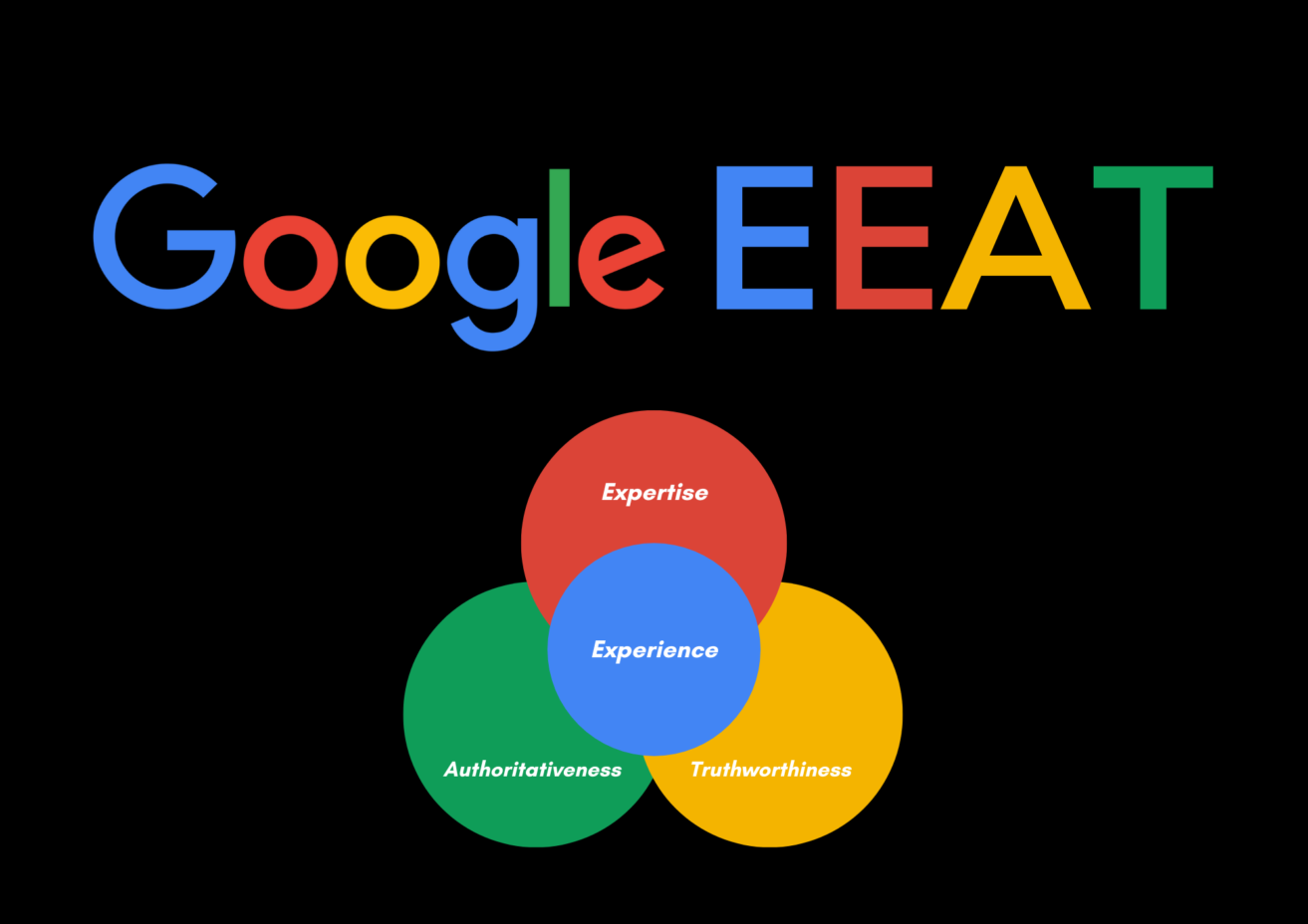
EEAT stands for Experience, Expertise, Authoritativeness, and Trustworthiness. It is not a magic ranking button, and it is not some secret handshake between Google and a few lucky sites. It is a framework that helps search systems judge whether content looks like it came from someone who knows the topic, has real-world insight, and can be trusted.
Google has said its systems aim to prioritize helpful, reliable, people-first content rather than content built mainly to manipulate rankings. It also says the same core SEO best practices still matter for AI features like AI Overviews and AI Mode.
That matters because AI search tools do not just look for keywords. They look for signals. They look for clarity, consistency, context, and usefulness. EEAT gives those signals shape.
Why AI Search Changed the Game
AI search changed user behavior in a very basic way. People now expect faster answers, cleaner summaries, and links that feel worth clicking. The engine has become a filter, a judge, and a shortcut all at once.
Google’s documentation says AI features like AI Overviews and AI Mode surface relevant links, help people explore more deeply, and do not require special optimization beyond the same foundational SEO practices that already matter. It also notes that pages need to be indexed and eligible for snippets to appear as supporting links.
That means the old strategy of “publish a lot and hope for the best” feels weaker than ever. AI systems can summarize basic information quickly. What they cannot fake as easily is real credibility. That is where EEAT earns its keep.
The New Search Reality Is Less Forgiving
In the old search model, a page could sometimes survive on decent keyword targeting and a few backlinks. Today, that is not enough. If a page feels thin, generic, or written only to rank, it can lose ground fast.
Google’s helpful content guidance warns against search engine-first content and specifically asks whether a page demonstrates first-hand expertise, serves a real audience, and leaves readers feeling satisfied. It also warns against content that is produced mainly to attract search visits or summarized from others without adding much value.
That is the pressure point. AI search rewards content that feels substantial. It does not want fluff. It does not want recycled filler. It wants content that sounds like a real person had something real to say.
EEAT Is Not Just for Big Brands
A lot of people assume EEAT only matters if you are a giant media company, a medical site, or a finance brand with a lawyer on speed dial. Not true. It matters for everyone who wants to be taken seriously online.
A small site can absolutely look more trustworthy than a large one if it does a few simple things well:
- shows who wrote the content
- explains why the author knows the topic
- uses real examples and clear explanations
- keeps information accurate and current
- makes the page easy to navigate and read
Trust is not always about size. It is about signals. A well-run blog with clear ownership and strong expertise can beat a bigger site that sounds like it was assembled by a bored robot in a hurry.
A Useful Resource Worth Reading
If you want the clearest official guidance on this mindset, Google’s own page on creating helpful, reliable, people-first content is a solid reference. It explains the difference between content made for people and content made mainly for search engines, and that difference sits right at the heart of EEAT.
That page is useful because it does not romanticize SEO. It keeps things practical. It asks whether your content actually helps people, whether it shows expertise, and whether readers would feel satisfied after reading it. Those are simple questions, but they are brutally honest ones.
EEAT vs Generic Content
| Factor | Generic Content | Strong EEAT Content |
| Voice | Bland, repetitive | Clear, confident, human |
| Evidence | Weak or missing | Real examples and useful context |
| Author signal | Anonymous or vague | Transparent and credible |
| Audience fit | Broad and shallow | Specific and helpful |
| Trust | Low to medium | Strong and memorable |
| AI search potential | Easier to ignore | More likely to be surfaced and cited |
That table sums it up neatly. AI can spin words. It cannot automatically create trust. EEAT does that work.
Experience Is the Secret Sauce
Experience is the part people forget first. It is also the part that often makes content feel real. You can tell when someone has actually used a product, solved a problem, visited a place, or worked in a field long enough to notice the little details that matter.
That is why “I tried this” beats “Here is a summary of this” almost every time.
If you write about tools, show how they fit into a real workflow. If you write about services, explain what clients usually ask, where they get stuck, and what actually changes after the work is done. That kind of detail gives your EEAT a backbone.
Expertise Needs to Be Visible, Not Just Claimed
Expertise should not hide in the background. It should show up in the page itself. That means you explain things clearly, you avoid shaky claims, and you do not pretend to know things you only half know.
One of the easiest ways to build expertise is to structure your content like a guide, not a performance. Use plain language. Define terms when needed. Give readers a path from problem to solution. And if a topic has limits, say so.
That honesty helps. In the AI search era, honesty reads like confidence.
Authoritativeness Comes from Repetition and Recognition
Authoritativeness grows when people keep seeing your name connected to useful, accurate content. It builds when your site covers a topic consistently, your internal links make sense, and your pages support one another instead of standing alone like random islands.
Google also says internal links help make content easier to find, and that page experience, structured data, and high-quality images still matter for AI features and search visibility.
So yes, your site architecture matters. Your content cluster matters. Your topic focus matters. EEAT is not only about what you say. It is also about how your site proves it belongs in the conversation.
Trustworthiness Is the Real Currency
Trust is the hardest part to fake, which is exactly why it matters so much.
Readers trust content more when they can see:
- a clear author name
- an about page that actually says something useful
- updated facts and dates
- sources that make sense
- no weird exaggeration or hype
Trust also grows when the page looks clean. A cluttered article with broken logic and random claims feels risky. A calm, well-built page feels safer. In AI search, that feeling often decides whether your page gets surfaced or skipped.
What to Do Right Now
If you want your content to perform better in this new search era, start with a simple checklist:
- Write for a real person, not a keyword tool.
- Add genuine examples from experience.
- Show expertise with clear explanations.
- Build trust with transparency and accuracy.
- Keep your site focused on topics you know well.
That is the backbone of EEAT. Nothing flashy. Just solid work done with discipline and taste.
Conclusion
The AI search era rewards content that feels useful, real, and credible. That is why EEAT matters more now than it did before. Search systems have more ways to judge quality, and readers have less patience for pages that waste their time. If your content shows experience, expertise, authoritativeness, and trustworthiness, you give it a much better chance to stand out in a crowded results page.
The good news is that you do not need to game the system. You need to deserve attention. That is the whole play.
Review one of your top pages today and ask a blunt question: does this content sound like it was written by someone who knows the topic, or someone chasing search traffic? That answer will tell you exactly where to improve next.
Frequently Asked Questions
2. Is EEAT a direct ranking factor?
Not in the simple sense people imagine. It works more like a quality framework that helps search systems evaluate content signals.
3. How do I improve EEAT on my site?
Show author identity, write from real experience, keep facts accurate, build topic depth, and make your site easy to trust and navigate.
4. Can small websites compete with larger sites using EEAT?
Yes. A smaller site with strong experience, clear expertise, and good structure can often look more trustworthy than a bigger site with shallow content.
5. Does AI-generated content hurt EEAT?
Not automatically. The problem starts when content feels generic, thin, or disconnected from real expertise. Human review and original insight still matter.
6. What kind of content benefits most from EEAT?
Any content that affects decisions, trust, money, health, services, or reputation benefits heavily from strong EEAT signals.