RankGuru.ai

Blog

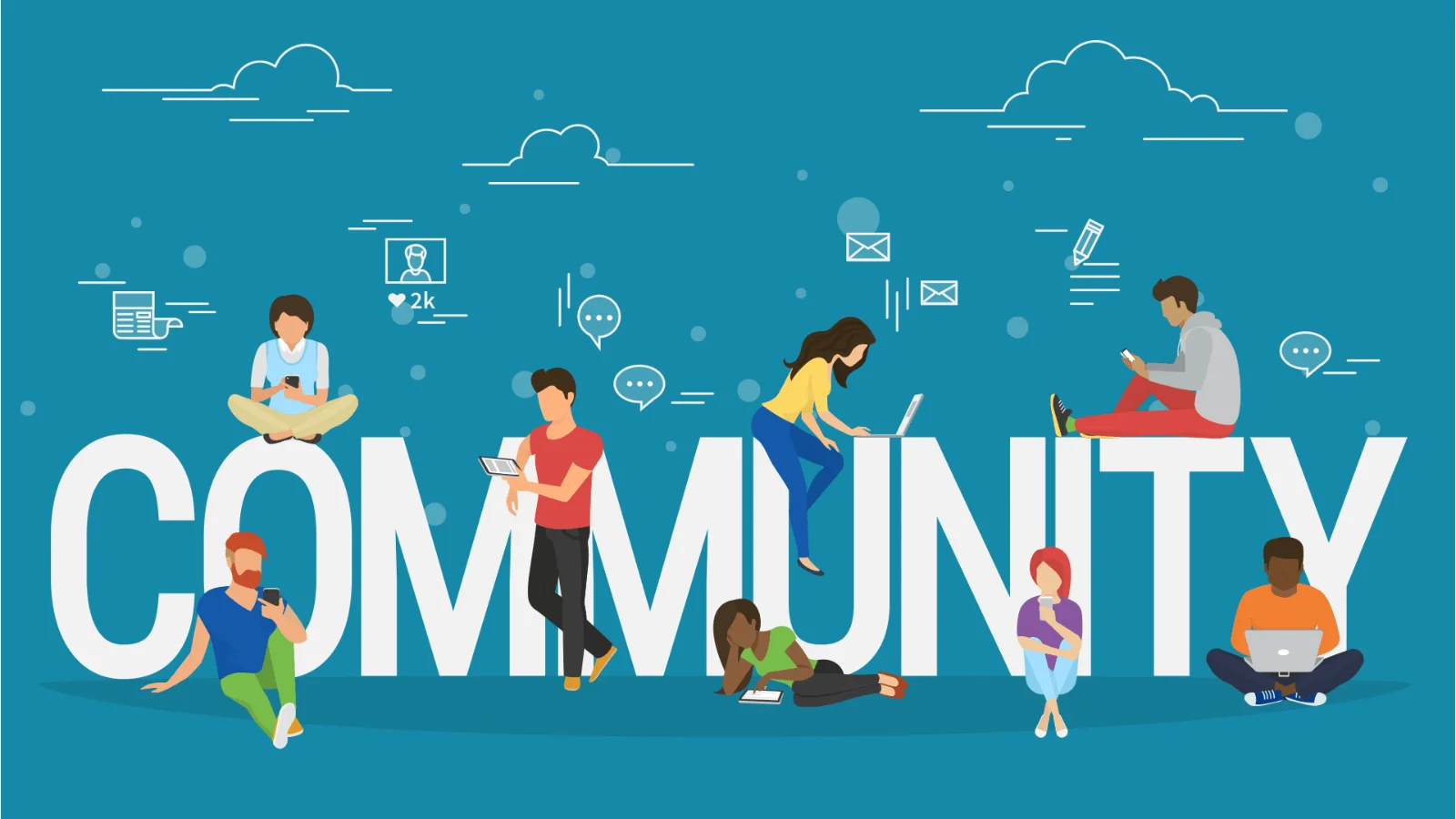
How to Build a Loyal Brand Community That Buys

Attention doesn’t cost much. It’s not common to be loyal. Brands these days don’t succeed by being loud or smart for a short time. They win by being important long after the first click goes away.

A great Brand Community may turn those who are only interested in your brand into long-term believers and people who buy from you once into regular supporters.

The most successful brands in all industries don’t chase after customers. They are building relationships. That change has subtly transformed how trust builds, how growth happens, and how people decide to buy things.

What a Brand Community Means Today

A Brand Community is not defined by numbers. It depends on the connection. At its core, it’s a collection of people who agree with a brand’s values, voice, and direction.

There are no marketing gimmicks that can make this alignment happen.

It grows through shared experiences, consistency, and emotional relevance. When a brand makes customers feel understood, they are more likely to stay loyal.

The Brand Community of today is much more than just followers or subscribers. It is not a marketing list; it is a shared way of thinking. People feel emotionally attached to the brand’s story, values, and goals. That connection makes you feel like you belong, not like you have to.

In today’s digital-first society, individuals want to connect, be recognized, and be real. Communities do better when people feel that they are part of something important and not just doing business. A Brand Community is a place where people can live and where shared identity is more important than sales messages.

Why Brand Communities Spend More Over Time

Trust alters how people act. People who are part of a Brand Community are more likely to come back, look at additional things, and not think twice before buying. Knowing someone makes things easier. Doubt is replaced with confidence.

It feels comfortable to buy things from a community you trust. People feel like their choices are safe, not risky. Loyalty becomes a habit over time, and habits bring in money softly but steadily.

When people stop being unsure and start being confident, they spend more. A trusted Brand Community makes people feel more at ease and familiar, which cuts down on doubt.

Members already know the brand’s values, tone, and standards, which speeds up the process of making decisions. Comfort comes from being exposed to something more than once, and comfort fosters investigation.

As time goes on, buying things feels less like a choice and more like a habit. This long-term partnership discreetly raises lifetime value without the need for frequent persuading or forceful marketing.

Identity Always Comes First

Identity, not promotions, builds strong communities. People who agree with what a brand stands for are drawn to it.

Identity shows up everywhere:

  • Tone of voice
  • Style of the picture
  • Values of the brand
  • Behaviour in public

A Brand Community grows faster when these elements stay consistent. Mixed signals create confusion. Clear identity builds belonging.

Content That Feels Human, Not Polished

Community-focused content does not chase perfection. It focuses on honesty. Stories, authentic experiences, lessons learned, and small moments build far more trust than polished slogans.

Instead of sounding impressive, effective community content sounds familiar. It feels like a conversation rather than a campaign. That tone keeps engagement steady and genuine.

Highly polished content often feels distant. Human content feels close. A strong Brand Community responds better to stories, honest updates, and real moments than perfect visuals or scripted language. Imperfection signals authenticity.

Everyday language, relatable experiences, and transparent communication help content land emotionally. When content feels human, engagement becomes natural. That emotional response keeps communities active, curious, and willing to listen long after trends fade.

Consistency Builds Trust Quietly

Trust doesn’t just show up out of the blue. It comes together via repetition. The same level of quality. The same thing. The same rules.

Delivery schedules, how you talk to customers, and how they feel about your service all reflect consistency. Confidence rises when expectations are always met. That dependability is what makes a Brand Community strong.

Not promises, but doing things over and over again builds trust. A consistent Brand Community experience makes content, tone, and behavior more reliable. When expectations are always met, confidence grows without any work. When messages aren’t clear, it makes people question, even when they mean well.

Being consistent demonstrates that you care and are professional. Predictability turns into comfort over time, and comfort makes loyalty stronger. In the long run, quiet reliability frequently works better than bombastic campaigns for developing a community.

Why Social Proof Accelerates Community Growth

Individuals have faith in other individuals. When people share their experiences, it makes decisions easier and lessens doubt. Reviews, testimonials, and conversations in the community show that something is secure and trustworthy.

Nielsen’s research shows that recommendations from friends and family have a big impact on how people buy things in marketplaces around the world. A visible Brand Community builds trust much more than traditional advertising.

Social proof takes away doubt. Seeing other people confidently interact with a brand audience shows that there is interest and makes it easier to get involved. Reviews, shared experiences, and visible participation all help to build momentum. This group behavior shows that you may be trusted and believed.

When new members see pleasant interactions, they feel safer about joining. Social proof turns curiosity into confidence, which makes community expansion feel natural instead of forced or like an advertisement.

Platforms Support Communities, Not Replace Them

Technology helps people get together, but relationships keep them going. How people feel inside the platform is more important than the platform itself.

Some places help you find things. Some people want to interact more deeply. The best Brand Community usually has a consistent voice and experience across many channels.

Incentives Should Feel Earned

Incentives Should Feel Rewards for hard work can make people more engaged, but you can’t buy loyalty. Too many discounts get people’s attention without making them buy anything.

Strong incentives rely on appreciation instead of pressure:

  • Access early
  • Unique perspectives
  • Being known in the community

When people in a Brand Community feel appreciated instead of sold to, the community gets stronger.

Listening Is a Competitive Advantage

Communities collapse when voices are ignored. Growth accelerates when feedback is acknowledged.

Listening improves:

  1. Product development
  2. Messaging clarity
  3. Trust and transparency

A Brand Community becomes more resilient when members see their input reflected in real decisions.

Leadership Shapes Community Culture

Communities mirror leadership behaviour. Transparency builds safety. Accountability builds respect. Silence damages trust.

Strong leadership communicates clearly, admits mistakes, and remains consistent in the face of challenges. That stability anchors the Brand Community during both growth and disruption.

Leadership sets the tone long before policies do. A healthy Brand audience reflects the values demonstrated by those guiding it. Clear communication, Accountability, and openness shape how members interact with each other.

Silence or inconsistency weakens trust, while transparency strengthens it. Strong leadership creates psychological safety, encouraging participation and dialogue. Over time, that culture becomes self-sustaining and resilient, even during periods of change.

Measuring What Actually Matters

Community success is not defined by size alone. Depth matters more than scale.

Metric Why It Matters
Engagement Shows emotional connection
Retention Indicates loyalty
Repeat Buying Signals trust
Referrals Reflects advocacy

A healthy Brand Community grows steadily, not explosively.

Scaling Without Losing Authenticity

Growth introduces risk. As communities expand, intimacy can fade unless values remain clear.

Sustainable scaling follows a simple order:

  1. Define non-negotiable values
  2. Empower trusted moderators
  3. Maintain consistent storytelling

When culture stays protected, growth strengthens rather than dilutes the Brand Community.

The Role of Shared Values in Long-Term Loyalty

Shared values sit at the centre of every flourishing Brand Community. Products may attract attention, but values keep people connected. When a brand clearly communicates what it believes in, whether that is sustainability, creativity, fairness, or innovation, like-minded individuals naturally gather around it.

This shared belief system creates emotional alignment, not just interest. Over time, values guide behaviour inside the community, shaping conversations and expectations. Members feel comfortable engaging because the environment reflects familiar principles. This alignment reduces conflict, strengthens trust, and deepens loyalty.

A Brand Community built on shared values becomes resilient, adapting to change without losing its identity or sense of purpose.

How Emotional Connection Influences Buying Decisions

Logic explains products. Emotion drives action. A strong Brand Community taps into emotion by creating moments that feel personal and memorable. Stories, shared milestones, and collective wins strengthen emotional attachment.

When people feel emotionally connected, purchasing becomes less about comparison and more about confidence. Emotional connection reduces price sensitivity and increases patience during setbacks. Decisions feel instinctive rather than calculated.

Over time, this emotional bond turns casual supporters into long-term advocates. A Brand audience that prioritises emotional connection builds loyalty that outlasts trends, campaigns, and short-term incentives.

Community-Led Growth Outperforms Traditional Marketing

Traditional marketing pushes messages outward. Community-led growth pulls people inward. A trusted Brand Community grows through conversation, recommendation, and shared experience rather than constant promotion.

Members naturally become ambassadors, sharing insights and opinions across platforms. This organic visibility carries more credibility than paid advertising. Growth feels authentic because real voices, not scripts, drive it. Community-led growth also scales efficiently, as engagement compounds over time.

Each interaction strengthens trust and reach simultaneously. Brands that invest in community-first strategies often see stronger retention, higher lifetime value, and more sustainable long-term growth.

Conclusion

A loyal Brand Community is not engineered. It is earned. Trust grows through consistency, honesty, and shared experience. Over time, connection turns into confidence, and confidence turns into buying behaviour.

Brands that invest in people rather than noise create lasting value. Community-first growth is slower at the start, but stronger in the long run. Strong communities do not chase loyalty. They create reasons to stay.

For brands looking to turn connection into long-term loyalty, RankGuru offers practical strategies built around trust, consistency, and real engagement. Community growth works best with the right direction and support. Contact Us Today to start building a Brand Community that connects, converts, and lasts.

Frequently Asked Questions

Building a Brand Community takes time and patience. Early engagement can happen quickly, but true loyalty develops gradually through consistent value, honest communication, and repeated positive experiences. Long-term commitment matters more than quick growth, as trust strengthens steadily with every meaningful interaction.

Small brands can absolutely build loyal Brand Communities. Clear values, authentic communication, and personal engagement often create stronger emotional bonds than large-scale campaigns. When a brand feels relatable and consistent, community members connect more deeply, leading to higher trust, advocacy, and long-term loyalty.

A loyal Brand Community directly supports revenue growth by increasing repeat purchases, referrals, and customer lifetime value. Trust reduces hesitation and speeds up buying decisions. Over time, community members spend more confidently, engage more frequently, and support the brand beyond single transactions.


7 Tips to Refresh Old Content for a Quick Ranking Boost
Feeling like your blog posts are turning into dusty relics rather than evergreen content? You’re not alone. Many content creators find that their older articles are silently languishing on page 2 or 3 of search results, even if they used to drive tons of traffic. Don’t panic; instead, think spring cleaning for your website. A little polish and fresh info can make an old post as alluring as a brand-new one. Continue reading “7 Tips to Refresh Old Content for a Quick Ranking Boost”

Local SEO Guide 2026: How to Get More Leads from GBP

The digital landscape of 2026 isn’t just different; it’s unrecognizable from the “keyword stuffing” days of yore. If you’re a business owner in the U.S. today, you know the drill: your customer isn’t just looking for a coffee shop; they’re looking for the pour-over spot with oat milk, 4.8 stars, and a vibe that screams “remote work haven,” all while standing on a street corner in Brooklyn or Austin. Continue reading “Local SEO Guide 2026: How to Get More Leads from GBP”

The 2026 GEO Guide: Rank in ChatGPT, Gemini and Perplexity
In 2026, search isn’t just a Google box – it’s a chat box. It feels like suddenly switching from VHS tapes to Netflix overnight, where answers stream directly and you never see the roadside attractions (links) that used to guide you. People ask AI assistants like ChatGPT and Google’s Gemini instead of scanning search results. Continue reading “The 2026 GEO Guide: Rank in ChatGPT, Gemini and Perplexity”